

Sorona サーマル撥水フード付きジャケット | PFASフリー
$169.99 AUD
通常価格 $149.99 AUD軽量ハイブリッドアウトドアシステム
必要な場所に暖かさを
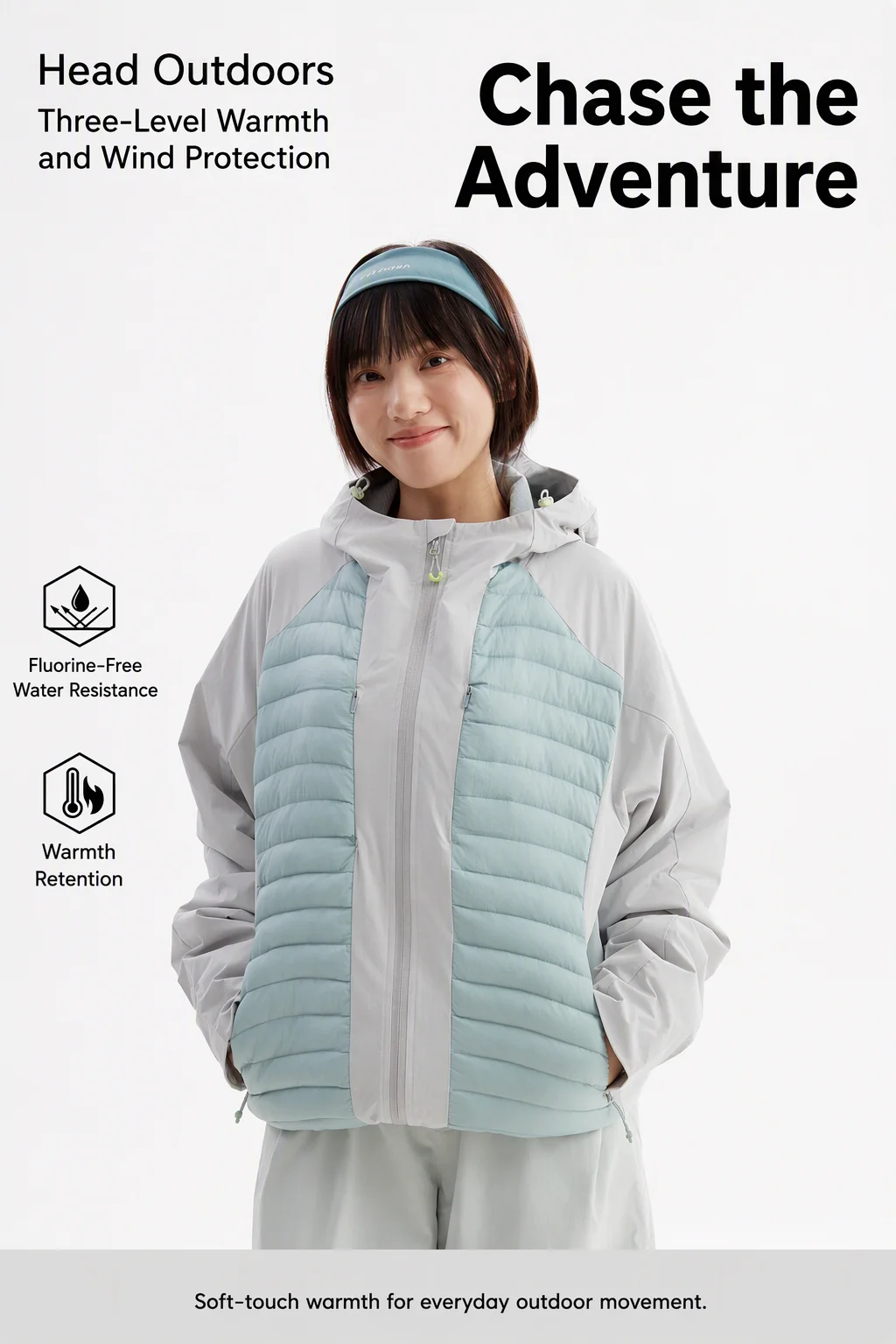
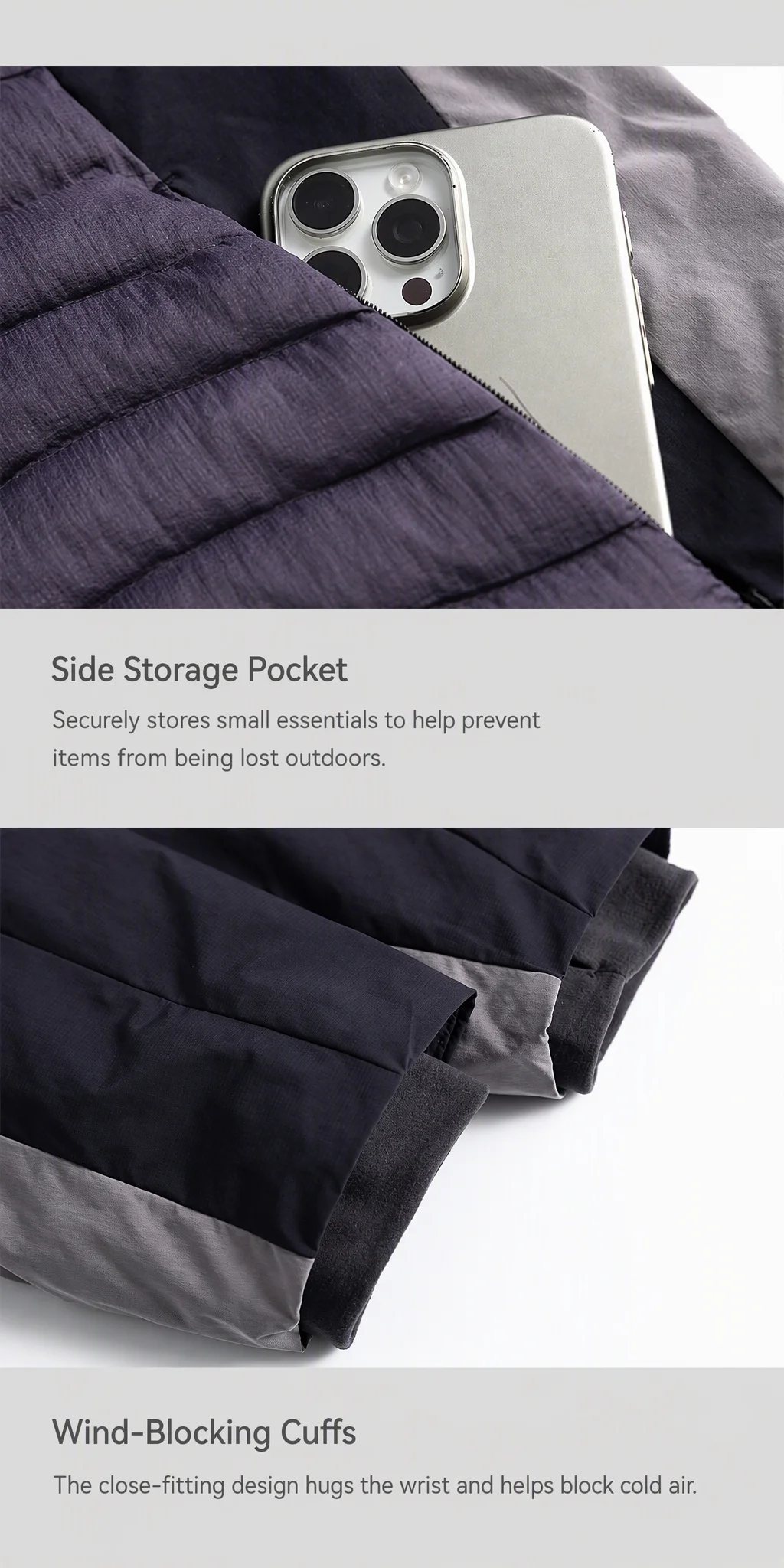
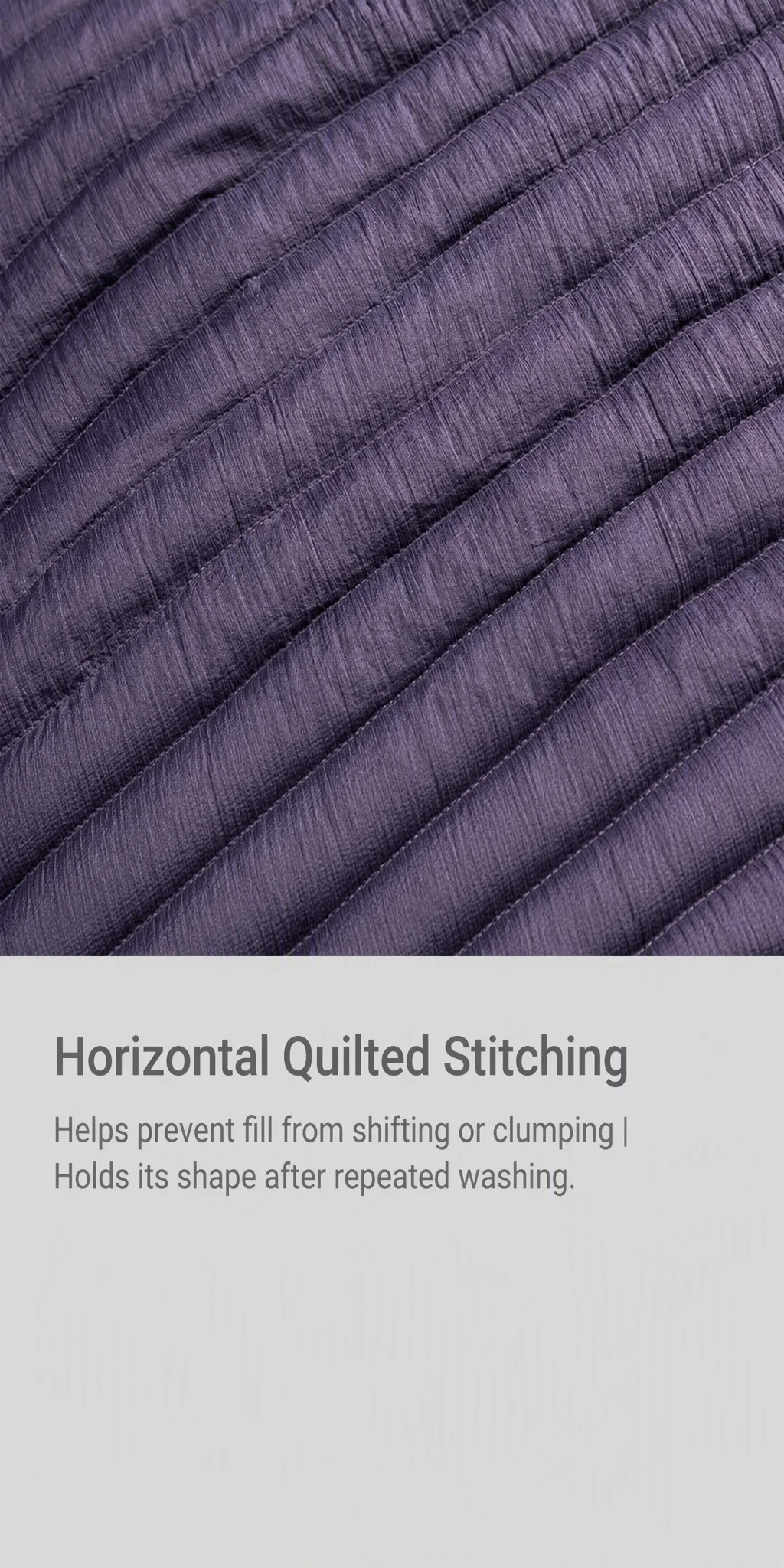
体幹部分に横キルティングのSorona®中綿を配置し、摩耗しやすい箇所には防風性のある織物パネルを組み合わせた軽量フーデッドハイブリッドジャケット。アウトドアでの動きから毎日の通勤まで対応します。
注目のディテール
仕様
表地: ポリエステル100%
配色切替パネル: ナイロン・ポリエステルパネル
中綿: Sorona®ファイバー入りポリエステルファイバー中綿100%
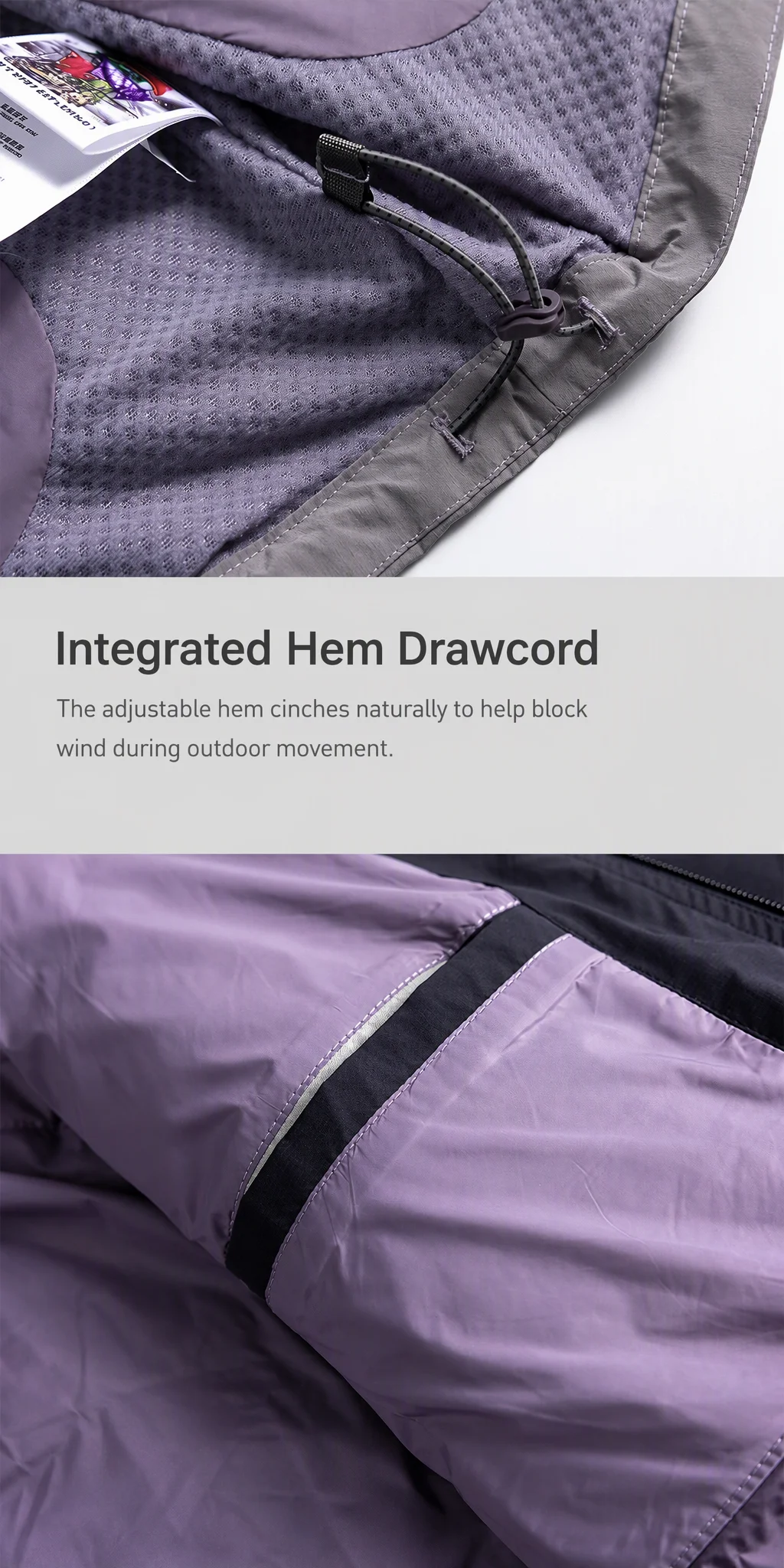
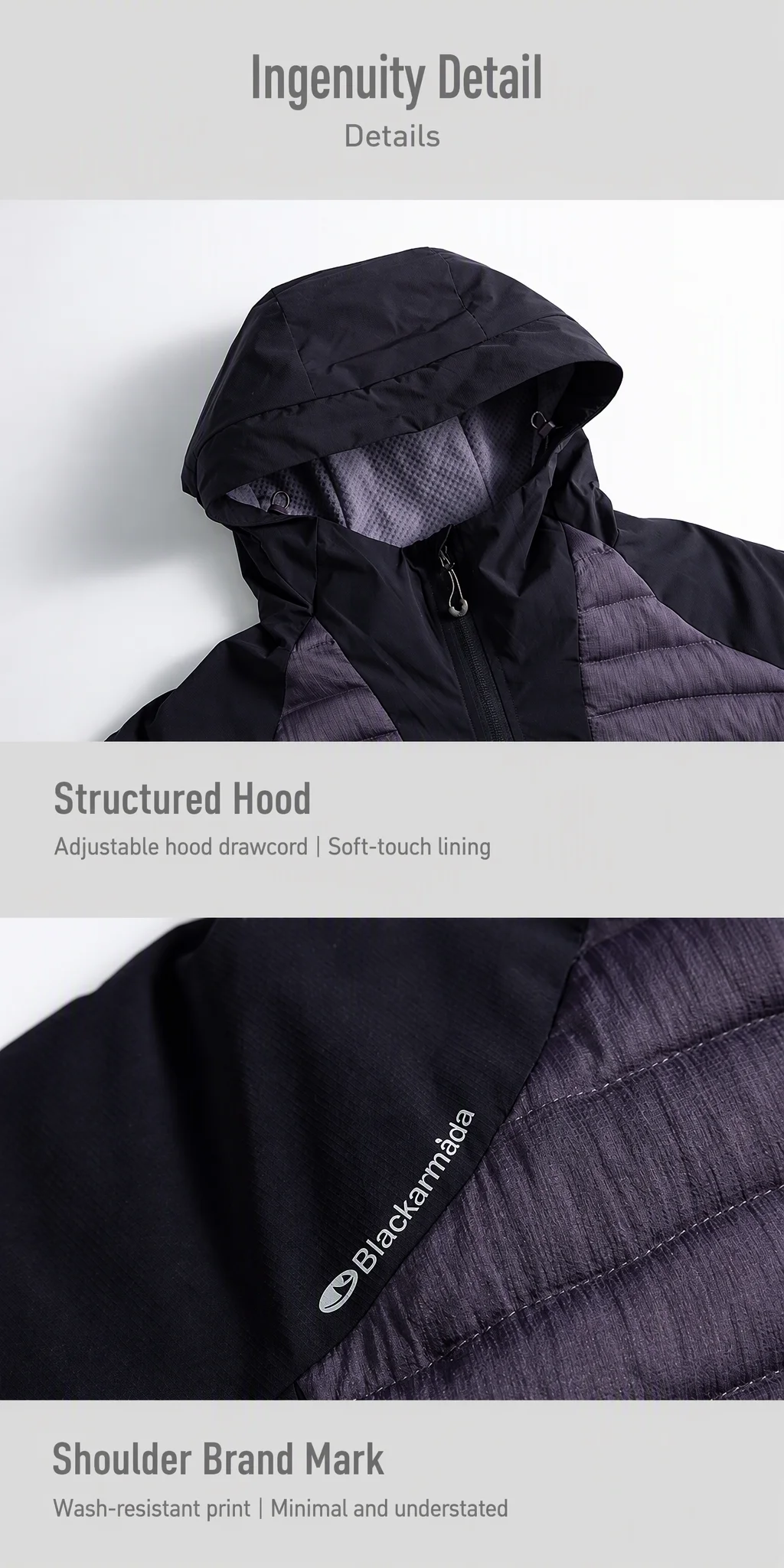
特徴: フッ素不使用の撥水性、防風性のある織物パネル、横キルティング構造
フィット: ゆったりとしたストレートフィット
サイズ: S、M、L、XL、2XL
カラー: ミストグレー、ブラック、メタリックグレー、モスイエロー
軽量ハイブリッドアウトドアシステム
必要な場所に暖かさを
体幹部分に横キルティングのSorona®中綿を配置し、摩耗しやすい箇所には防風性のある織物パネルを組み合わせた軽量フーデッドハイブリッドジャケット。アウトドアでの動きから毎日の通勤まで対応します。
注目のディテール
仕様
表地: ポリエステル100%
配色切替パネル: ナイロン・ポリエステルパネル
中綿: Sorona®ファイバー入りポリエステルファイバー中綿100%
特徴: フッ素不使用の撥水性、防風性のある織物パネル、横キルティング構造
フィット: ゆったりとしたストレートフィット
サイズ: S、M、L、XL、2XL
カラー: ミストグレー、ブラック、メタリックグレー、モスイエロー
$169.99 AUD
通常価格 $149.99 AUD軽量ハイブリッドアウトドアシステム
必要な場所に暖かさを
体幹部分に横キルティングのSorona®中綿を配置し、摩耗しやすい箇所には防風性のある織物パネルを組み合わせた軽量フーデッドハイブリッドジャケット。アウトドアでの動きから毎日の通勤まで対応します。
注目のディテール
仕様
表地: ポリエステル100%
配色切替パネル: ナイロン・ポリエステルパネル
中綿: Sorona®ファイバー入りポリエステルファイバー中綿100%
特徴: フッ素不使用の撥水性、防風性のある織物パネル、横キルティング構造
フィット: ゆったりとしたストレートフィット
サイズ: S、M、L、XL、2XL
カラー: ミストグレー、ブラック、メタリックグレー、モスイエロー
軽量ハイブリッドアウトドアシステム
必要な場所に暖かさを
体幹部分に横キルティングのSorona®中綿を配置し、摩耗しやすい箇所には防風性のある織物パネルを組み合わせた軽量フーデッドハイブリッドジャケット。アウトドアでの動きから毎日の通勤まで対応します。
注目のディテール
仕様
表地: ポリエステル100%
配色切替パネル: ナイロン・ポリエステルパネル
中綿: Sorona®ファイバー入りポリエステルファイバー中綿100%
特徴: フッ素不使用の撥水性、防風性のある織物パネル、横キルティング構造
フィット: ゆったりとしたストレートフィット
サイズ: S、M、L、XL、2XL
カラー: ミストグレー、ブラック、メタリックグレー、モスイエロー
Hard Shell VS Soft Shell

What Do 3L & 2L Means?

2L
✅
✅
❌
separate inner lining
★★★☆☆
★★★☆☆
★★★☆☆
★★★★★
★★★★★
Best Budget Choice
Casual Wearing, general outdoor activities,

3L
✅
✅
✅
bonded as an unit
★★★★★
★★★★★
★★★★★
★★★☆☆
★★★☆☆
Expensive but Worth It
mountaineering, extreme conditions
Common Misconceptions
3L jackets combine outer fabric, waterproof membrane and backing layer via thermal bonding with no loose lining. 2L jackets adopt a separate lining detached from the outer fabric.
Softshells are also made of water‑resistant fabrics with a DWR coating, and some feature fully taped seams. Unlike hardshell jackets, they lack a dedicated waterproof membrane, resulting in slightly lower waterproof performance. Still, they effectively repel light daily rain, with water beading and rolling off the surface, delivering reliable water‑repellent capability for everyday use.
Moisture vapor transmission refers to the fabric's ability to expel sweat vapor (perspiration) from the inside out – this is what keeps you from feeling clammy during exertion. Air permeability, on the other hand, refers to the direct passage of air molecules (wind) through the fabric.
A high level of air permeability can indeed compromise waterproofness, as larger pores that let air through may also allow liquid water to penetrate under pressure.
What the outdoor industry commonly calls "breathability rating" (e.g., on a jacket's spec sheet) is almost always Moisture Vapor Transmission Rate (MVTR) – not air permeability.
Not exactly. These ratings describe the raw fabric's lab performance, not the finished jacket's real-world capability.
The overall waterproofness of a jacket also depends on seam taping quality, waterproof zippers, and construction details – a high‑HH fabric is useless if water leaks through the seams.
Similarly, perceived breathability (comfort) is influenced by mechanical venting features (e.g., pit zips), the inner liner material, and overall fit.
So always consider the jacket's design as a whole, not just the headline numbers.


