

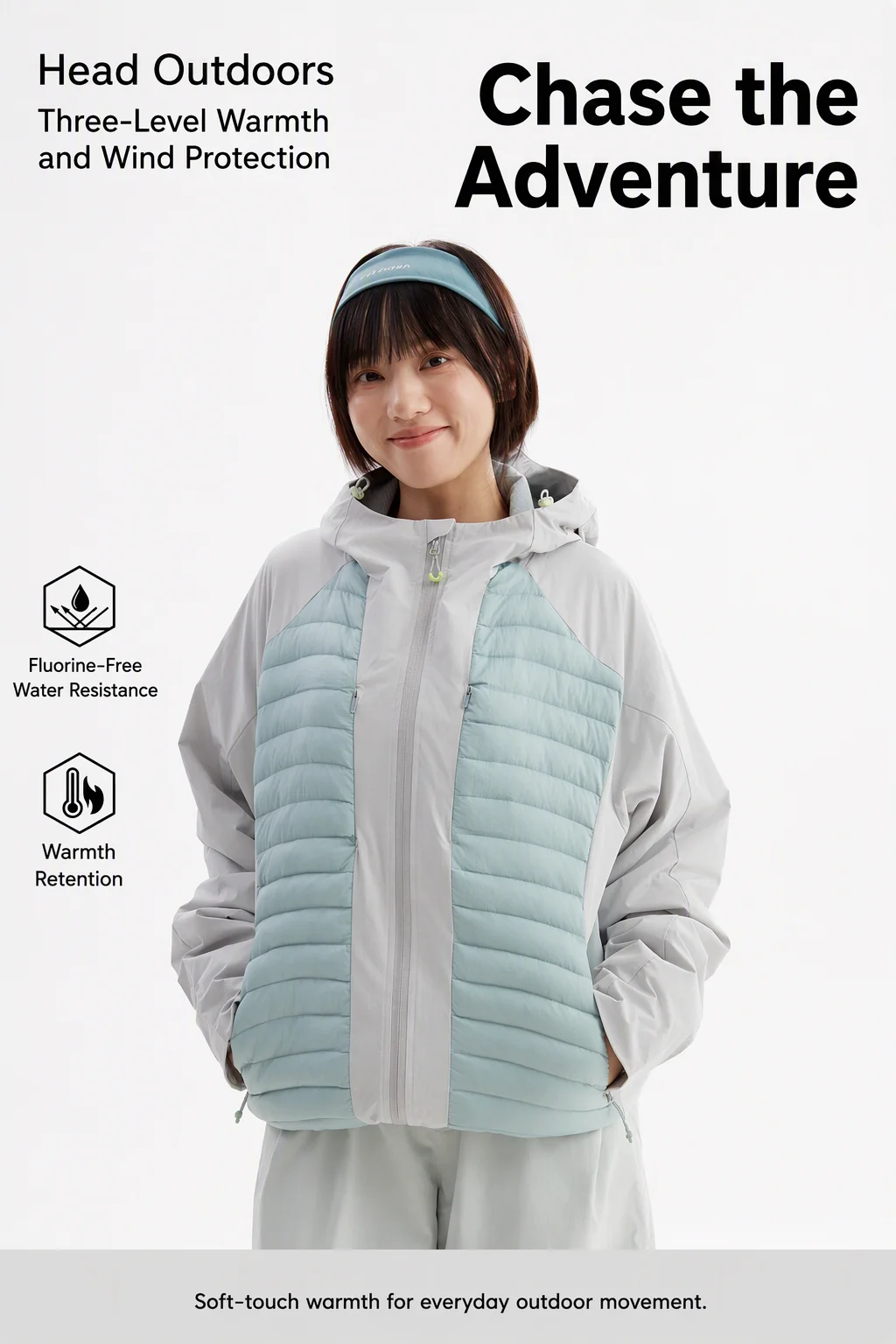
Sorona 보온 발수 후드 재킷 | PFAS 무함유
$169.99 AUD
정상가 $149.99 AUD경량 하이브리드 아웃도어 시스템
필요한 곳에 따뜻함을
코어 부분에는 가로 퀼팅 Sorona® 충전재를, 마모가 잦은 부분에는 방풍 우븐 패널을 결합한 경량 후드 하이브리드 재킷으로, 아웃도어 활동과 일상 출퇴근에 적합합니다.
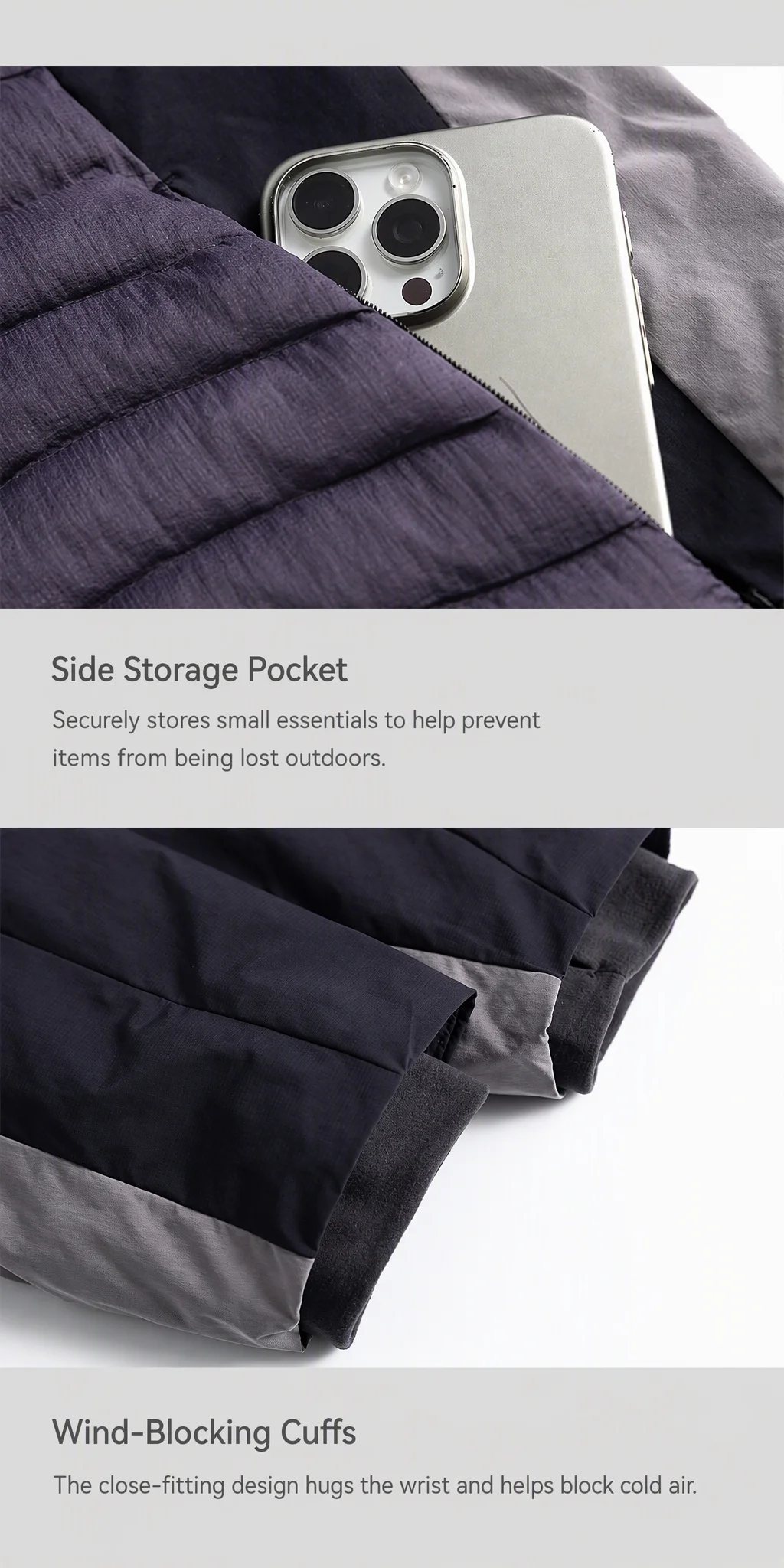
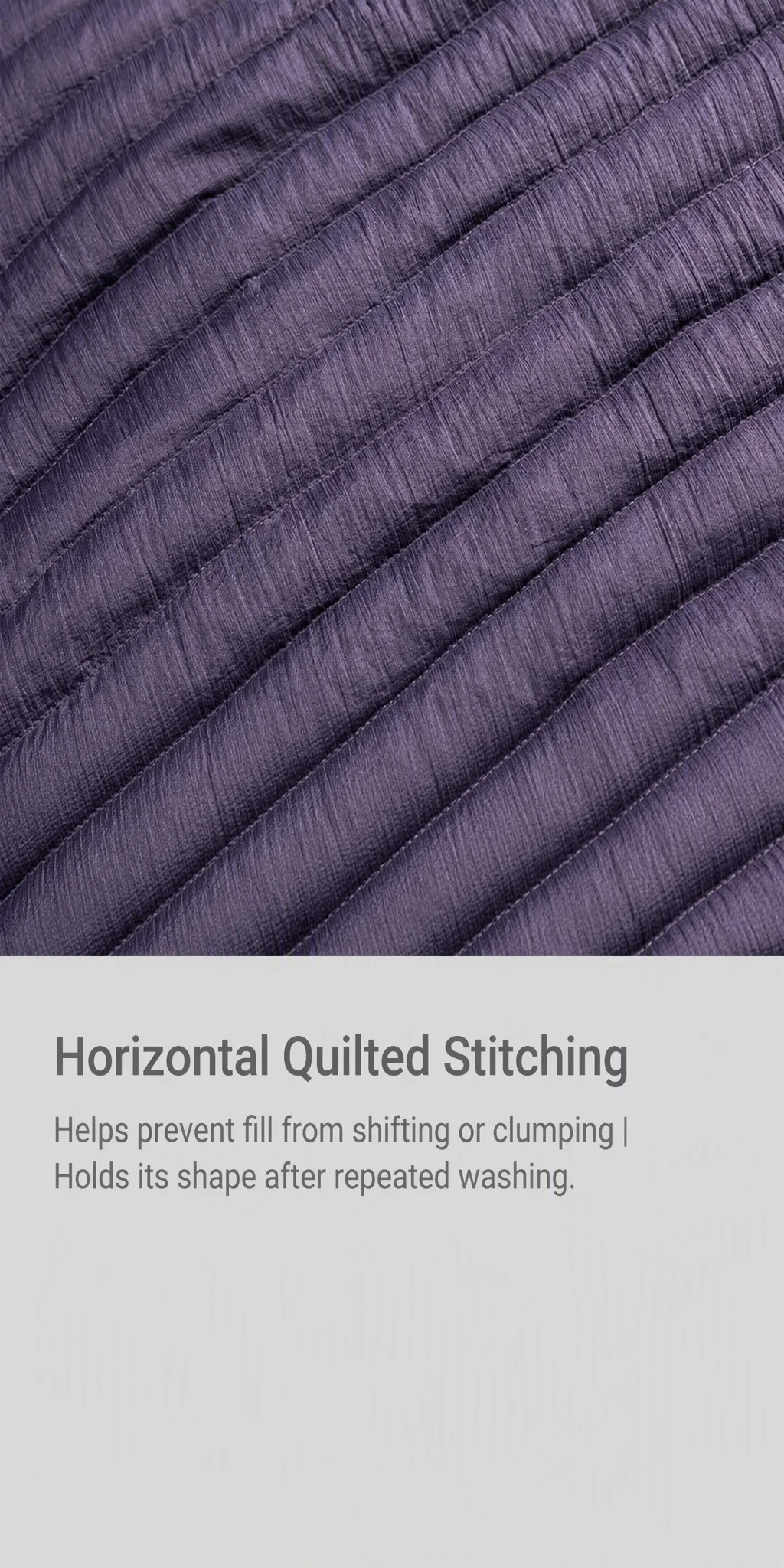
디테일 포커스
제품 사양
겉감: 100% 폴리에스터
콘트라스트 패널: 나일론 및 폴리에스터 패널
충전재: Sorona® 섬유가 포함된 100% 폴리에스터 섬유 충전재
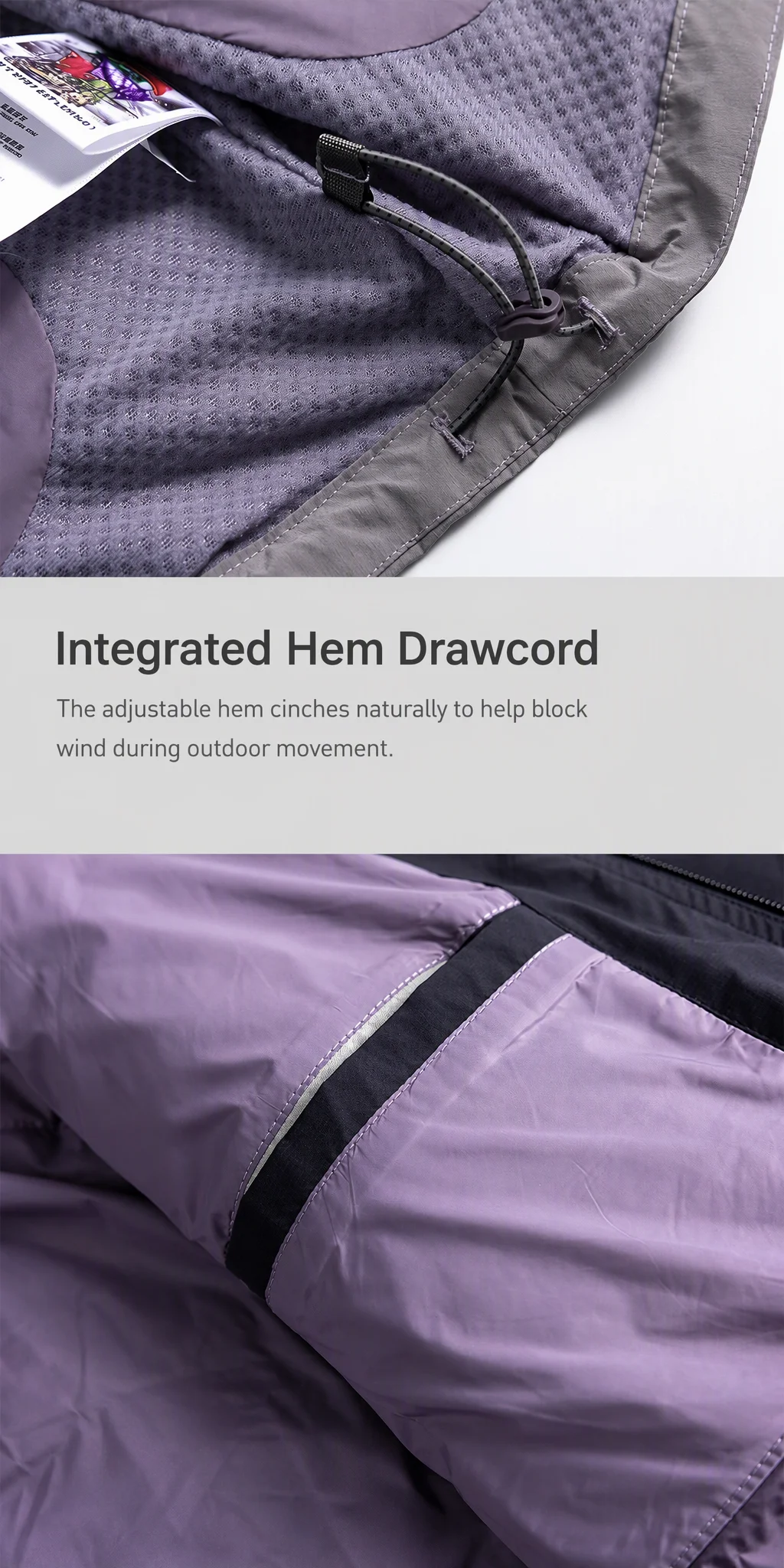
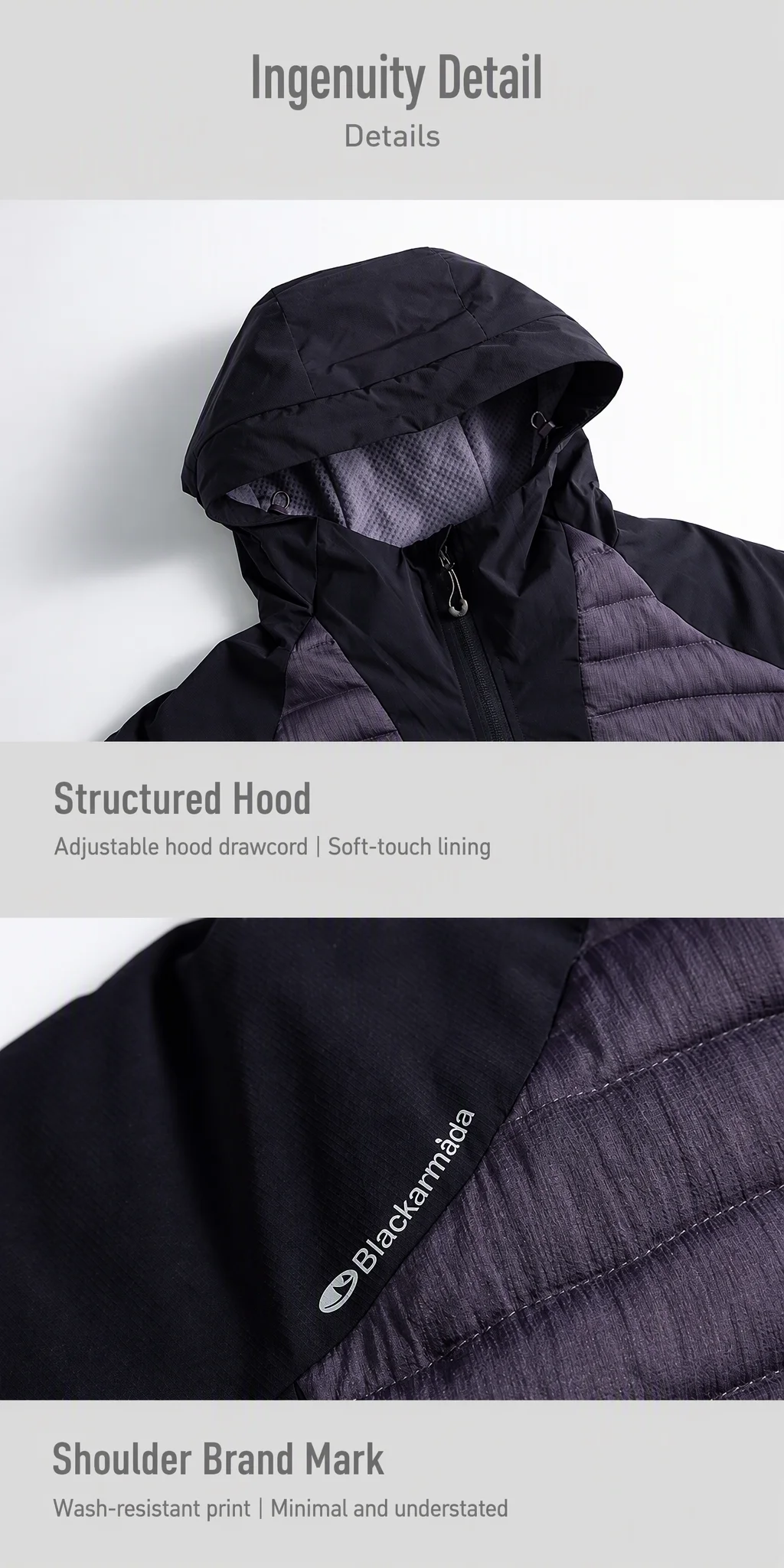
특징: 무불소 발수, 방풍 우븐 패널, 가로 퀼팅 구조
핏: 여유 있는 스트레이트 핏
사이즈: S, M, L, XL, 2XL
컬러: 미스트 그레이, 블랙, 메탈릭 그레이, 모스 옐로우
경량 하이브리드 아웃도어 시스템
필요한 곳에 따뜻함을
코어 부분에는 가로 퀼팅 Sorona® 충전재를, 마모가 잦은 부분에는 방풍 우븐 패널을 결합한 경량 후드 하이브리드 재킷으로, 아웃도어 활동과 일상 출퇴근에 적합합니다.
디테일 포커스
제품 사양
겉감: 100% 폴리에스터
콘트라스트 패널: 나일론 및 폴리에스터 패널
충전재: Sorona® 섬유가 포함된 100% 폴리에스터 섬유 충전재
특징: 무불소 발수, 방풍 우븐 패널, 가로 퀼팅 구조
핏: 여유 있는 스트레이트 핏
사이즈: S, M, L, XL, 2XL
컬러: 미스트 그레이, 블랙, 메탈릭 그레이, 모스 옐로우
$169.99 AUD
정상가 $149.99 AUD경량 하이브리드 아웃도어 시스템
필요한 곳에 따뜻함을
코어 부분에는 가로 퀼팅 Sorona® 충전재를, 마모가 잦은 부분에는 방풍 우븐 패널을 결합한 경량 후드 하이브리드 재킷으로, 아웃도어 활동과 일상 출퇴근에 적합합니다.
디테일 포커스
제품 사양
겉감: 100% 폴리에스터
콘트라스트 패널: 나일론 및 폴리에스터 패널
충전재: Sorona® 섬유가 포함된 100% 폴리에스터 섬유 충전재
특징: 무불소 발수, 방풍 우븐 패널, 가로 퀼팅 구조
핏: 여유 있는 스트레이트 핏
사이즈: S, M, L, XL, 2XL
컬러: 미스트 그레이, 블랙, 메탈릭 그레이, 모스 옐로우
경량 하이브리드 아웃도어 시스템
필요한 곳에 따뜻함을
코어 부분에는 가로 퀼팅 Sorona® 충전재를, 마모가 잦은 부분에는 방풍 우븐 패널을 결합한 경량 후드 하이브리드 재킷으로, 아웃도어 활동과 일상 출퇴근에 적합합니다.
디테일 포커스
제품 사양
겉감: 100% 폴리에스터
콘트라스트 패널: 나일론 및 폴리에스터 패널
충전재: Sorona® 섬유가 포함된 100% 폴리에스터 섬유 충전재
특징: 무불소 발수, 방풍 우븐 패널, 가로 퀼팅 구조
핏: 여유 있는 스트레이트 핏
사이즈: S, M, L, XL, 2XL
컬러: 미스트 그레이, 블랙, 메탈릭 그레이, 모스 옐로우
Hard Shell VS Soft Shell

What Do 3L & 2L Means?

2L
✅
✅
❌
separate inner lining
★★★☆☆
★★★☆☆
★★★☆☆
★★★★★
★★★★★
Best Budget Choice
Casual Wearing, general outdoor activities,

3L
✅
✅
✅
bonded as an unit
★★★★★
★★★★★
★★★★★
★★★☆☆
★★★☆☆
Expensive but Worth It
mountaineering, extreme conditions
Common Misconceptions
3L jackets combine outer fabric, waterproof membrane and backing layer via thermal bonding with no loose lining. 2L jackets adopt a separate lining detached from the outer fabric.
Softshells are also made of water‑resistant fabrics with a DWR coating, and some feature fully taped seams. Unlike hardshell jackets, they lack a dedicated waterproof membrane, resulting in slightly lower waterproof performance. Still, they effectively repel light daily rain, with water beading and rolling off the surface, delivering reliable water‑repellent capability for everyday use.
Moisture vapor transmission refers to the fabric's ability to expel sweat vapor (perspiration) from the inside out – this is what keeps you from feeling clammy during exertion. Air permeability, on the other hand, refers to the direct passage of air molecules (wind) through the fabric.
A high level of air permeability can indeed compromise waterproofness, as larger pores that let air through may also allow liquid water to penetrate under pressure.
What the outdoor industry commonly calls "breathability rating" (e.g., on a jacket's spec sheet) is almost always Moisture Vapor Transmission Rate (MVTR) – not air permeability.
Not exactly. These ratings describe the raw fabric's lab performance, not the finished jacket's real-world capability.
The overall waterproofness of a jacket also depends on seam taping quality, waterproof zippers, and construction details – a high‑HH fabric is useless if water leaks through the seams.
Similarly, perceived breathability (comfort) is influenced by mechanical venting features (e.g., pit zips), the inner liner material, and overall fit.
So always consider the jacket's design as a whole, not just the headline numbers.


